

Back pain, neck pain, and nerve-related symptoms are among the most common health complaints today. Many people ignore these symptoms, assuming they will improve with rest or medication. While minor pain may resolve on its own, persistent or worsening symptoms can indicate an underlying spinal condition that requires specialist evaluation.
A spine surgeon is trained to diagnose and treat disorders affecting the spine, spinal discs, nerves, and surrounding structures. Early consultation can prevent complications, reduce pain, and improve long-term outcomes.
In this guide, we explain when you should see a spine surgeon, the 10 warning signs you should never ignore, and the treatment options available before surgery is considered.
What Does a Spine Surgeon Do?
A spine surgeon specializes in the diagnosis and treatment of conditions affecting the cervical (neck), thoracic (upper back), and lumbar (lower back) spine.
Common conditions treated by a spine surgeon include:
- Slipped disc (herniated disc)
- Sciatica
- Cervical spondylosis
- Spinal stenosis
- Scoliosis and spinal deformities
- Spondylolisthesis
- Spinal fractures
- Spine infections
- Spine tumors
- Chronic neck and back pain
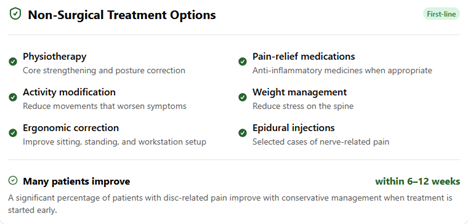
A spine surgeon does not recommend surgery for every patient. In fact, many spinal conditions can be managed with non-surgical treatments such as physiotherapy, medications, lifestyle changes, and minimally invasive procedures. When surgery is necessary, advanced techniques such as robotic spine surgery, endoscopic spine surgery, and minimally invasive spine surgery may be recommended for selected patients to improve precision, reduce tissue damage, and support faster recovery.
When Should You Visit a Spine Surgeon?
You should consider consulting a spine surgeon if:
- Your pain persists for more than 4–6 weeks.
- Symptoms interfere with daily activities.
- Pain radiates to the arms or legs.
- You experience numbness, tingling, or weakness.
- Previous treatments have not provided relief.
- You have difficulty walking or maintaining balance.
Early evaluation is particularly important when neurological symptoms are present.
Book Your Spine Consultation Today
10 Warning Signs You Should Never Ignore
- Persistent Back Pain
Pain that continues for several weeks despite rest, medications, or physiotherapy may indicate a disc problem, spinal degeneration, or nerve compression. - Pain Radiating Down the Leg (Sciatica)
Sharp, burning, or shooting pain extending from the lower back into the buttock and leg is a common sign of nerve irritation. - Numbness or Tingling
Loss of sensation in the arms, hands, legs, or feet may suggest compression of spinal nerves. - Muscle Weakness
Difficulty lifting the foot, gripping objects, or climbing stairs can indicate nerve damage that requires prompt attention. - Difficulty Walking
Spinal stenosis and other neurological conditions may cause leg heaviness, imbalance, or reduced walking distance. - Loss of Balance
Unsteady gait or frequent falls should not be ignored, especially in older adults. - Neck Pain with Arm Symptoms
Neck pain accompanied by numbness, tingling, or weakness in the arm may indicate cervical disc disease. - Bowel or Bladder Changes
Loss of bladder or bowel control can be a medical emergency and requires immediate evaluation. - Severe Pain After an Injury
A fall, accident, or sports injury may cause spinal fractures or ligament damage. - Pain That Worsens at Night
Night pain, unexplained weight loss, or fever associated with back pain may indicate infection or other serious conditions.
Common Warning Signs and Urgency
Conditions Commonly Treated by Spine Surgeons
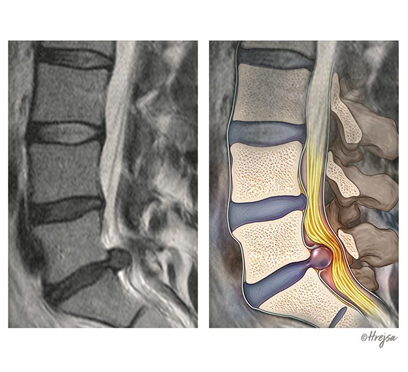
| Condition | Common Symptoms |
| Slipped Disc | Back pain, sciatica, numbness |
| Sciatica | Leg pain, tingling, weakness |
| Cervical Spondylosis | Neck pain, arm symptoms |
| Spinal Stenosis | Difficulty walking, leg heaviness |
| Spondylolisthesis | Lower back pain, instability |
| Scoliosis | Spinal curvature, posture changes |
| Compression Fracture | Sudden severe back pain |
| Spine Infection | Fever, severe pain |
How Is a Spine Problem Diagnosed?
A spine surgeon will typically perform:
1. Medical History
- Duration of pain
- Location of symptoms
- Previous treatments
- Injury history
2. Physical Examination
- Muscle strength
- Reflexes
- Sensation
- Walking pattern
- Spinal alignment
3. Imaging Tests
- MRI – best for discs and nerves
- CT Scan – detailed bone assessment
- X-ray – alignment and instability
- Bone Scan – selected cases
Treatment Options Before Surgery
Most patients improve without surgery. If conservative treatments do not provide adequate relief or neurological symptoms worsen, your spine surgeon may discuss advanced surgical options. Modern techniques, including robotic spine surgery, are designed to improve surgical accuracy and help eligible patients achieve better outcomes with minimally invasive approaches.
When Is Spine Surgery Necessary?
Surgery may be recommended when:
- Severe nerve compression is present.
- Progressive muscle weakness occurs.
- Walking ability deteriorates.
- Bowel or bladder function is affected.
- Pain persists despite adequate non-surgical treatment.
- Spinal instability or deformity is significant.
Modern Spine Surgery Options
- Minimally invasive spine surgery
- Endoscopic spine surgery
- Microdiscectomy
- Laminectomy
- Spinal fusion
- Deformity correction surgery
Advances in technology have made many procedures less invasive, with smaller incisions and faster recovery times.
Conclusion
Ignoring persistent back or neck pain can allow spinal conditions to progress and become more difficult to treat. Recognizing the 10 warning signs discussed above can help you seek timely medical attention and prevent long-term complications.
Early diagnosis often allows effective treatment with non-surgical methods, while delayed treatment may increase the risk of nerve damage, mobility problems, and chronic pain.
Book a Consultation at SpineDRX
If you are experiencing persistent back pain, neck pain, sciatica, numbness, weakness, or difficulty walking, schedule an evaluation with Dr Ramachandran, a spine surgeon in Bangalore.
A detailed assessment can help identify the cause of your symptoms and determine the most appropriate treatment plan.