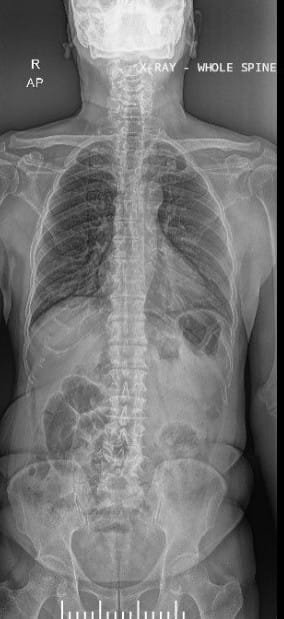
Case Study: Robotic MIS TLIF for L4–L5 Spondylolisthesis
Condition - L4–L5 Spondylolisthesis
Patient Complaint - Back pain, leg pain and reduced walking ability
Treatment - Robotic Minimally Invasive TLIF (MIS TLIF)
Patient Presentation
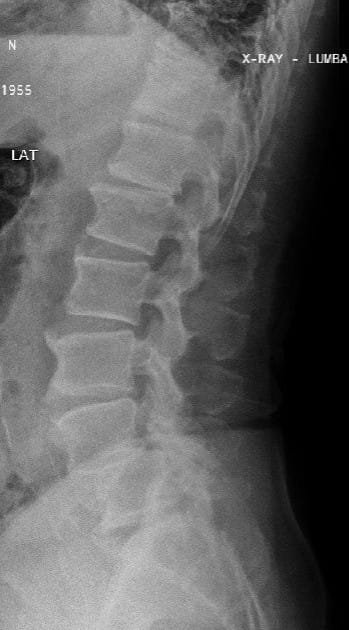
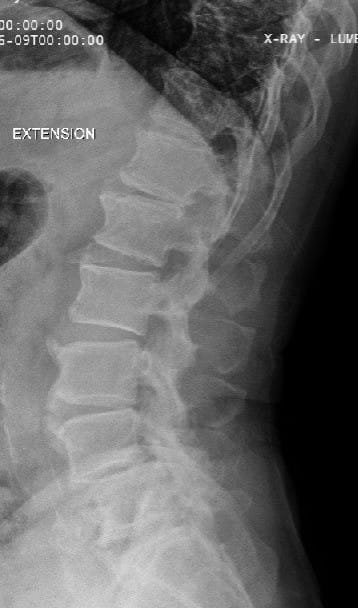
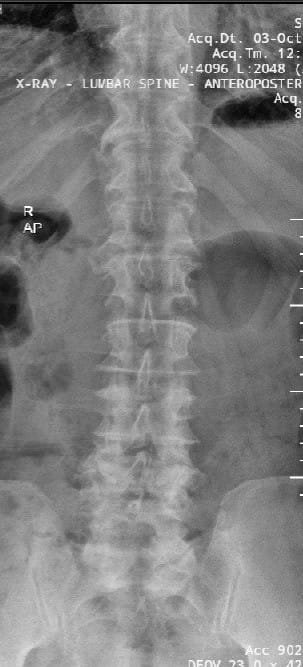
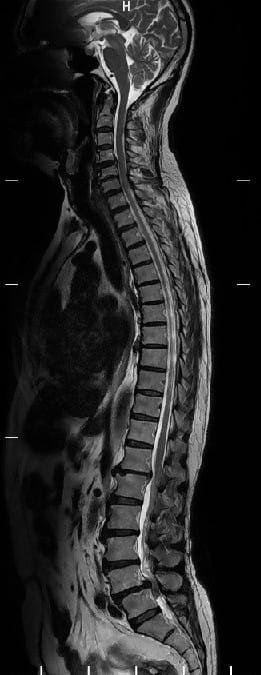
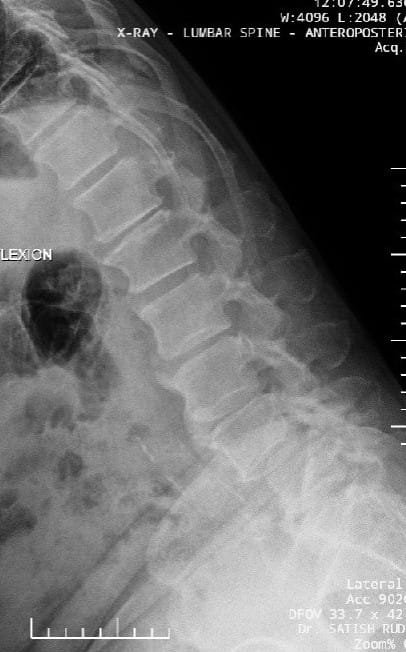
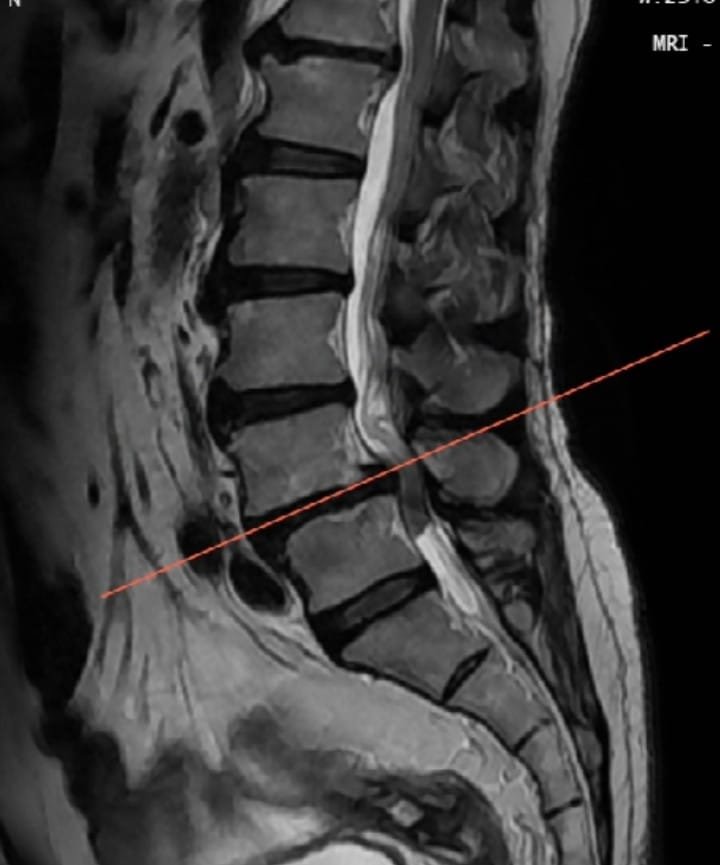
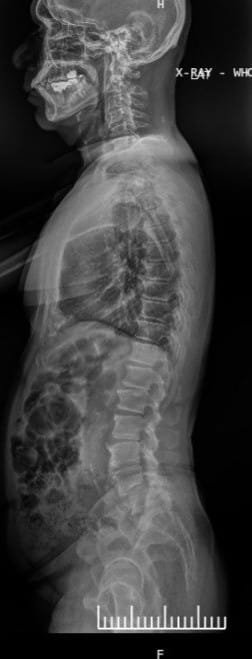
The patient presented with persistent back pain and leg pain associated with reduced walking ability. Clinical evaluation identified L4–L5 spondylolisthesis as the underlying spinal condition.
The symptoms were affecting the patient's mobility and daily activities, prompting further evaluation and consideration of surgical treatment.
Diagnosis
L4–L5 Spondylolisthesis
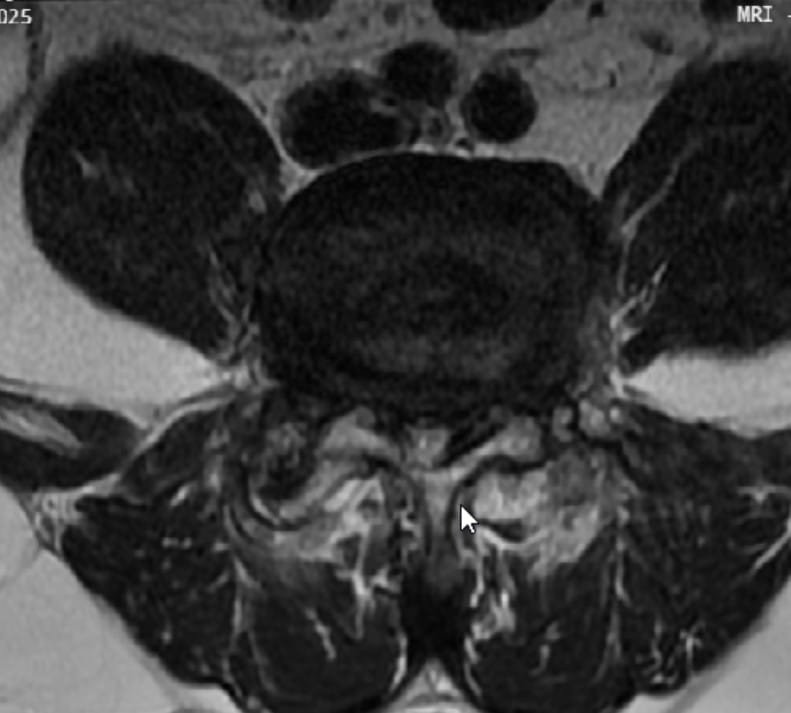
Spondylolisthesis occurs when one vertebra slips relative to the vertebra below it. In this case, the affected level was L4–L5.
The patient's symptoms included:
- Lower back pain
- Leg pain
- Reduced walking ability
- Difficulty with normal mobility
Treatment Approach
Robotic Minimally Invasive TLIF
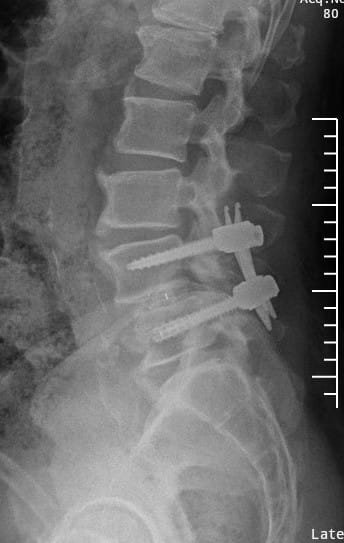
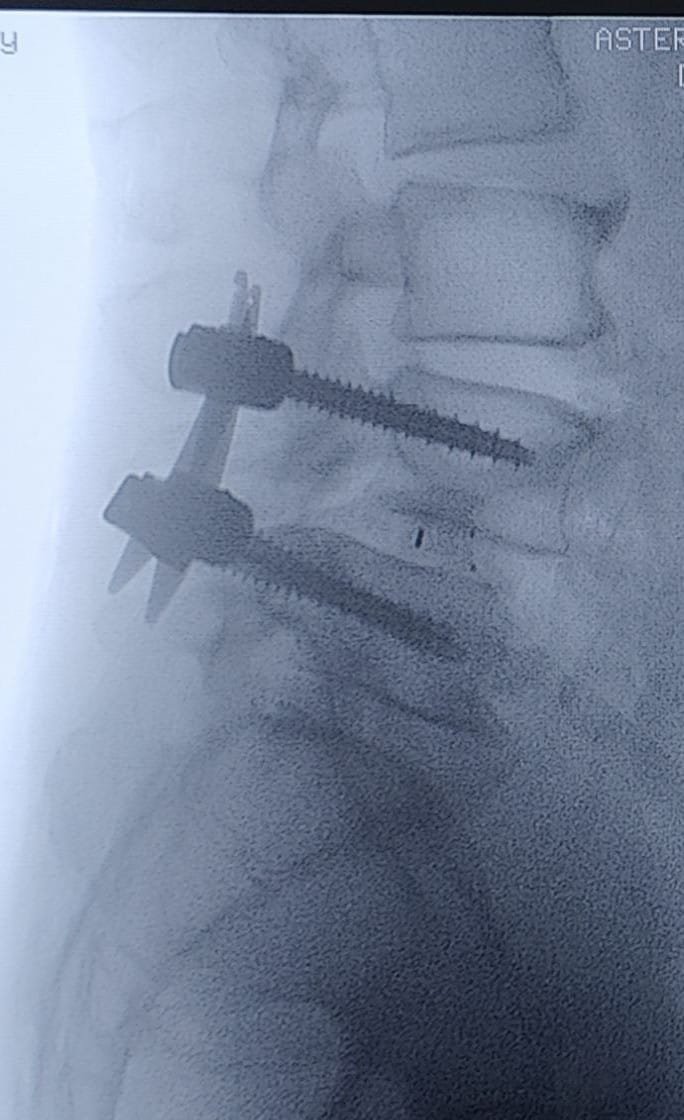
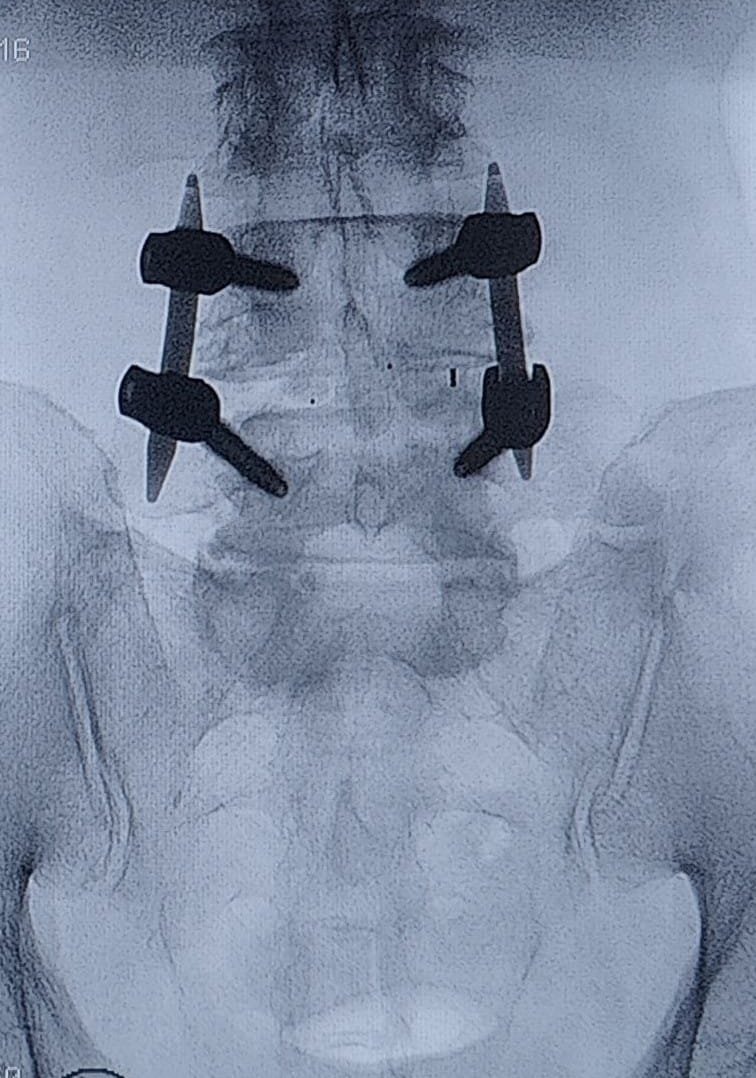
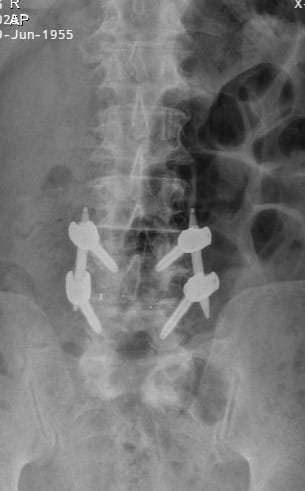
The patient underwent Robotic MIS TLIF (Transforaminal Lumbar Interbody Fusion) at the L4–L5 level.
The procedure combines a minimally invasive surgical approach with robotic-assisted technology to help the surgical team plan and execute the procedure with greater precision.
The treatment was selected based on the patient's condition, symptoms and clinical assessment.
Why Robotic MIS TLIF?
Robotic-assisted minimally invasive spine surgery can assist surgeons with:
- Preoperative planning
- Surgical navigation
- Implant positioning
- Surgical precision
- Minimally invasive access
The suitability of robotic MIS TLIF varies from patient to patient and is determined by the spine surgeon following appropriate clinical evaluation.
Treatment Summary
| Condition | L4–L5 Spondylolisthesis |
| Symptoms | Back pain, leg pain and reduced walking |
| Treatment | Robotic MIS TLIF |
| Level | L4–L5 |
| Approach | Minimally invasive spine surgery |
Key Takeaway
For patients diagnosed with L4–L5 spondylolisthesis accompanied by back pain, leg pain and reduced mobility, surgical treatment may be considered when clinically appropriate. In this case, Robotic MIS TLIF was selected as the surgical approach following patient evaluation.
For more information about robotic-assisted spine surgery and treatment options, consult a qualified spine specialist.