
Minimally Invasive Spine Surgery
Minimally Invasive Spine Surgery in Bangalore by Expert Spine Surgeons
Back pain, neck pain and nerve problems can affect daily life. They can make it hard to work, sleep or walk. If other treatments do not help, surgery may be an option for some spinal conditions.
At Spine DRx patients looking for minimally invasive spine surgery in Bangalore can meet with Dr. Ramachandran Govindasamy to get an evaluation of their spine and find the right treatment options. The invasive spine surgery plan depends on the diagnosis how severe the symptoms are, the medical history and overall health.
Minimally invasive spine surgery uses small cuts and special tools. It aims to reduce damage to nearby muscles and soft tissues. The right treatment depends on the patient's condition and overall health.
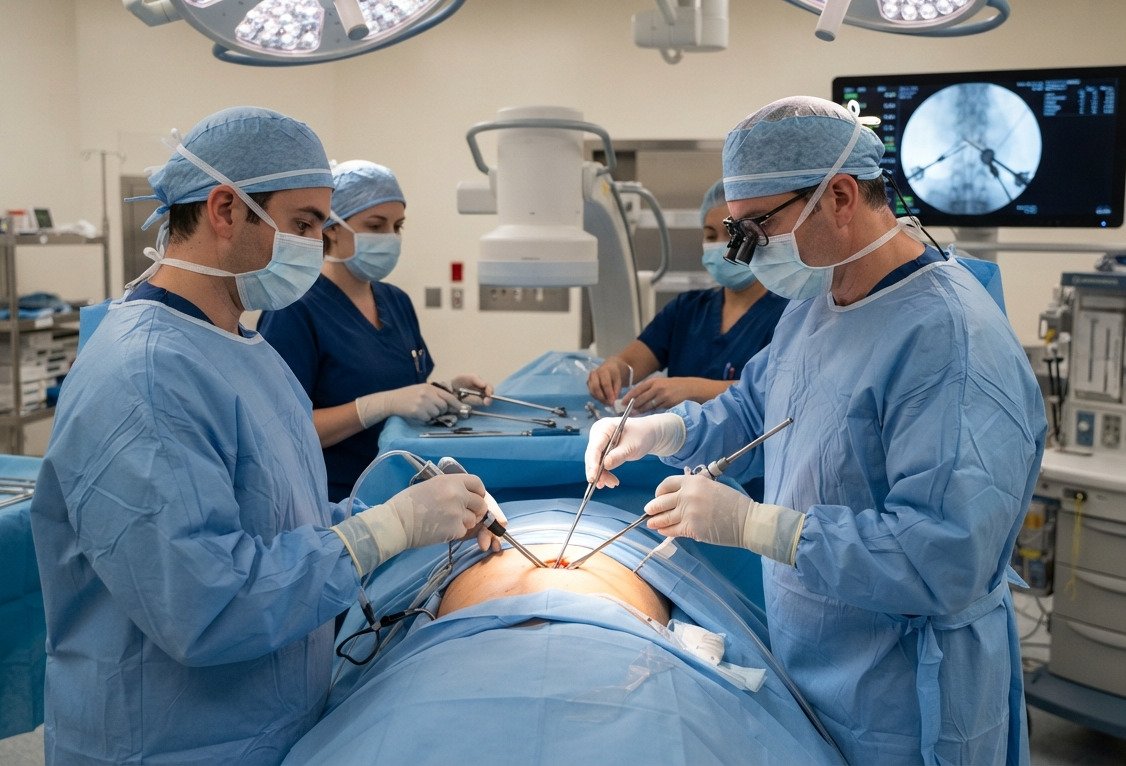
Experiencing persistent back pain, neck pain, or pain radiating into your arms or legs? Consult a spine specialist to understand the cause and explore suitable treatment options.
What Is Minimally Invasive Spine Surgery?
Minimally invasive spine surgery, also known as MISS is a surgical method that treats certain spinal conditions by using small cuts. Surgeons use special tools and imaging to perform the procedure through small cuts. This approach aims to reduce damage to nearby muscles and soft tissues.
Potential benefits of Minimally invasive spine surgery include:
- Smaller incisions and less disruption to surrounding muscles.
- Reduced blood loss during some procedures.
- Less postoperative pain in some patients.
- Shorter hospital stays in suitable cases.
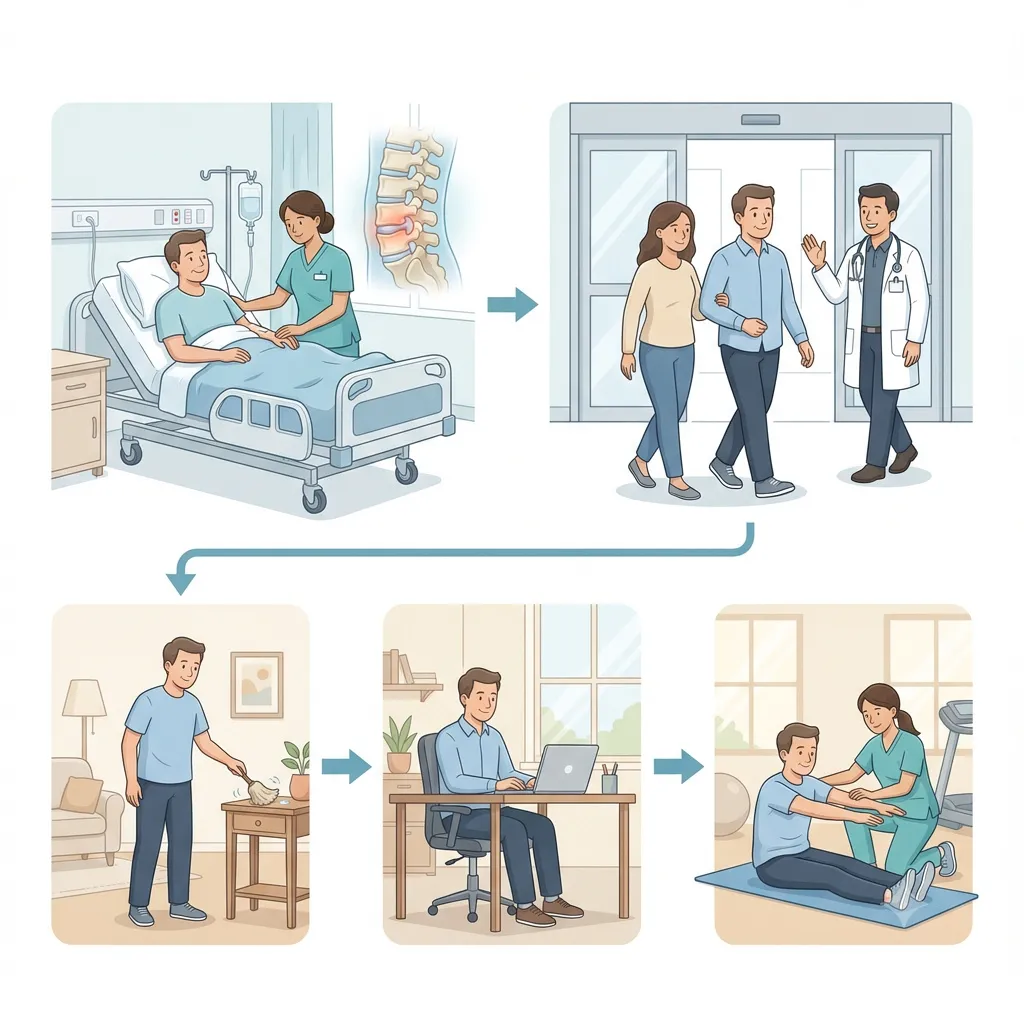
- Earlier return to daily activities for some patients.
- Smaller scars compared with many open procedures
These benefits of invasive spine surgery change with the specific procedure the patient’s health and how complex the spinal condition is. Invasive spine surgery is not suitable, for every patient and it does not promise a quicker recovery or a certain result.
Symptoms That May Require Minimally Invasive Spine Surgery
Persistent symptoms may indicate an underlying spinal condition. A spine specialist can assess the cause and determine whether surgery is appropriate.
- Persistent Back Pain
- Neck Pain
- Radiating Pain
- Numbness and Tingling
- Muscle Weakness
- Difficulty Standing or Walking
These symptoms do not automatically mean surgery is necessary. Treatment depends on the specialist's assessment and diagnostic findings.
Causes of Spinal Conditions That May Require Minimally Invasive Surgery
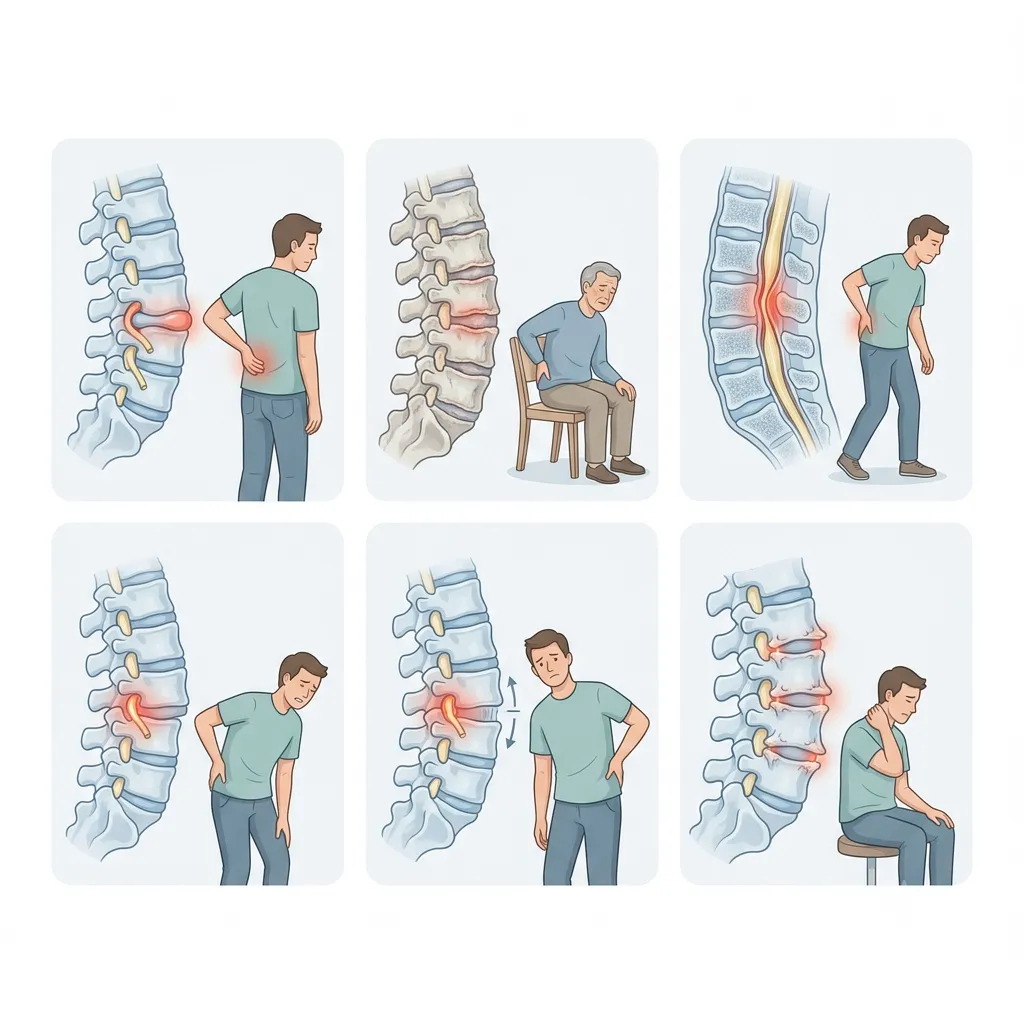
Many spinal conditions can produce pain, limit movement. Create nerve‑related symptoms. Depending on the diagnosis and how severe the spinal condition's some spinal conditions may be treated with minimally invasive surgical techniques.
- Herniated or Slipped Disc
- Age-Related Degeneration
- Spinal Stenosis
- Spondylolisthesis
- Spinal Instability
- Bone Spurs
Conditions Treated Using MISS Procedures
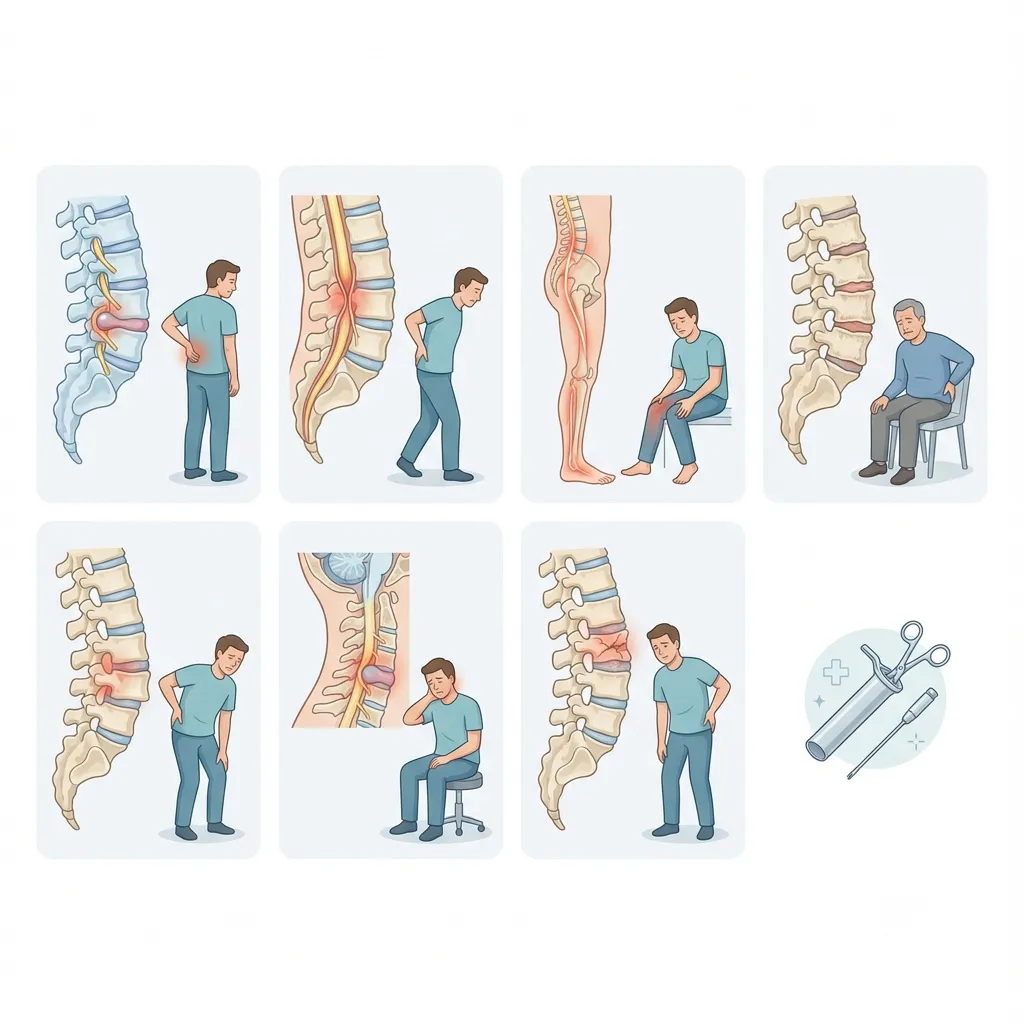
Minimally invasive spine surgery can help with certain problems, in the neck mid-back and lower back. The right way to perform minimally invasive spine surgery depends on where the problem is and how much the nerves are compressed or how unstable the spine is.
- Herniated Disc
- Lumbar Spinal Stenosis
- Sciatica
- Degenerative Disc Disease
- Spondylolisthesis
- Cervical Disc Problems
- Selected Spinal Fractures
Minimally Invasive Spine Surgery Treatment
Treatment depends on the diagnosis, scan results, symptoms, and overall health.
Step 1: Consultation
The specialist reviews symptoms, medical history, and physical examination findings.
Step 2: Diagnostic Tests
MRI, CT scans, or X-rays help identify spinal problems and nerve compression.
Step 3: Non-Surgical Treatment
Medication, physiotherapy, and activity changes may be recommended before surgery.
Step 4: Surgical Technique
Treatment may involve removing part of a damaged disc, relieving pressure on nerves, or stabilising the spine. The procedure depends on the condition.
Step 5: Post-Operative Care
The care team monitors recovery and provides guidance on pain management and safe movement.
Step 6: Rehabilitation
Exercises, physiotherapy, and follow-up visits support recovery. Recovery time varies by procedure and patient.
Why Choose Spine DRx for Minimally Invasive Spine Surgery?
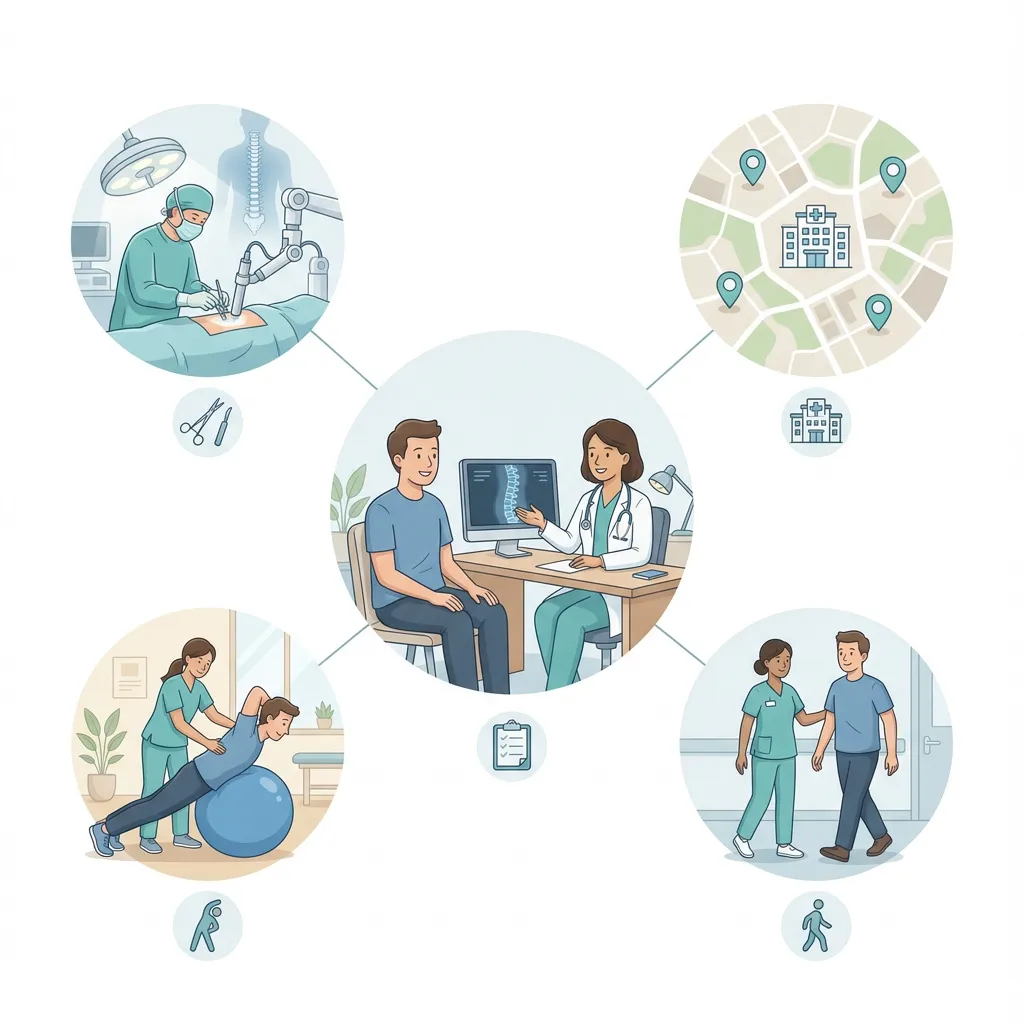
If you are looking for a spine specialist in Bangalore choosing the right one is very important. Dr. Ramachandran provides care that blends evidence‑based methods with advanced spine surgery when needed. He uses invasive and microscopic techniques that cut down on tissue damage and help patients may recover more quickly.
With more than 14 years of experience in spine care Dr. Ramachandran Govindasamy holds an MBBS, an MS in Orthopaedics and a DNB in Orthopaedics.
At Spine DRx patients can get an evaluation for spinal conditions that might need specialized surgical care.
- Specialist Spine Evaluation
- Individualized Treatment Planning
- Minimally Invasive Options
- Guidance on Risks and Recovery
- Focus on Functional Recovery
Patients considering minimally invasive spine surgery can consult Dr. Ramachandran Govindasamy to discuss suitable treatment options.
FAQs
It is a surgical technique that uses small incisions and specialized instruments to treat certain spinal conditions with less tissue disruption. Patients with herniated discs, spinal stenosis, or nerve compression may be candidates if non-surgical treatments do not provide sufficient relief. It can treat selected cases of herniated discs, spinal stenosis, sciatica, and spinal instability. It is generally considered safe when appropriately indicated, but risks such as infection, bleeding, and nerve injury remain. Recovery varies by procedure and patient. Some resume light activities within days, while others need several weeks or longer. The cost depends on the procedure, hospital stay, implants, and individual treatment needs. You can consult Dr. Ramachandran Govindasamy at Spine DRx in Bangalore for an evaluation and personalized treatment recommendations. Consider a specialist evaluation if persistent back pain, radiating pain, numbness, or weakness does not improve with appropriate treatment.What is minimally invasive spine surgery?
Who needs minimally invasive spine surgery?
What conditions can minimally invasive spine surgery treat?
Is minimally invasive spine surgery safe?
How long does recovery take after minimally invasive spine surgery?
What is the cost of minimally invasive spine surgery?
Where can I consult a spine specialist for minimally invasive spine surgery?
When should I consider minimally invasive spine surgery?


